In the demanding environment of offshore and marine operations, the longevity and reliability of safety equipment are non-negotiable. A critical component of any offshore facility is the lifeboat davit system, which must function flawlessly in emergency situations. To guarantee the structural integrity and corrosion resistance of these vital assets, rigorous third-party coating inspection is essential.
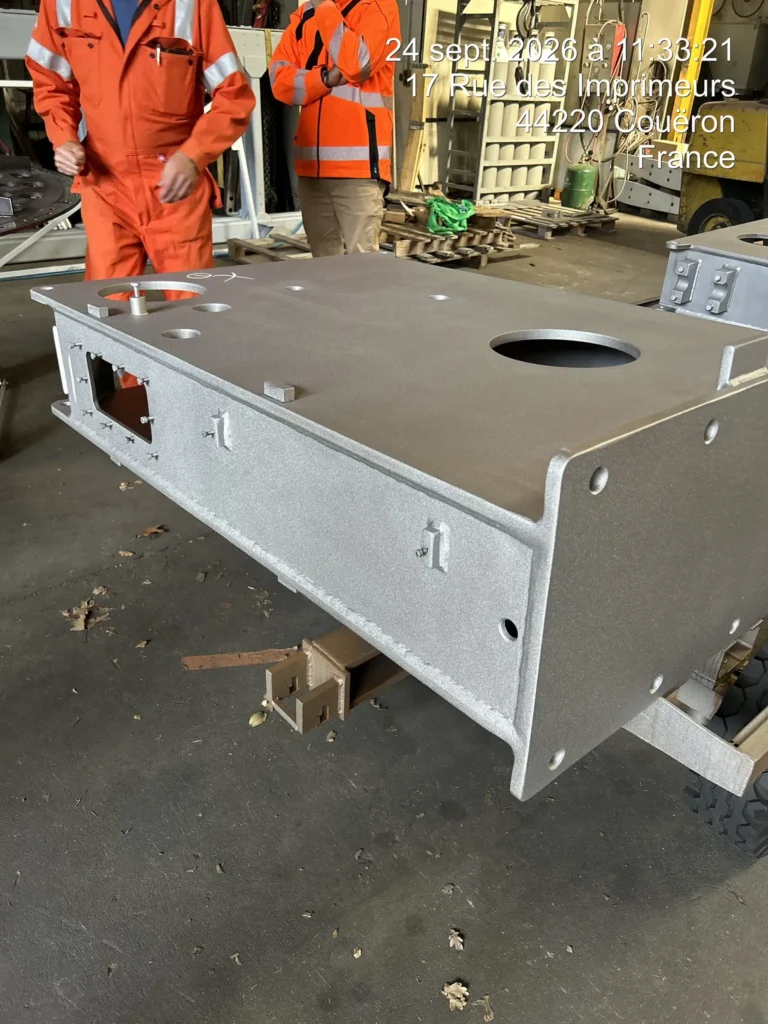
Recently, our expert team at Bureau Veritas (BV), acting as the Recognised Authority for ADNOC Offshore, successfully completed a comprehensive surface preparation and coating inspection for a Lifeboat Davit Type AF-122-31 (Winch Housing). This critical inspection was performed at the facilities of SEA SAFETY ENGINEERING SERVICES LLC, located in Couëron, France, on September 24, 2026. This article details the technical rigor, environmental controls, and quality assurance measures applied to ensure the highest standards of corrosion protection.
Project Scope and Applicable Standards
The inspection was a critical phase of the “EPC Works for Umm Shaif Long Term Development Plan Phase-2 (US LTDP-2), 2.0 Ramp-Up Project.” The primary objective was to verify that all surface preparation and coating activities for the winch housing strictly adhered to the approved project specifications.
Key Project Parameters:
- Client: ADNOC Offshore
- Inspector: Sina Massoumi (Bureau Veritas)
- Applicable Standard: Inspection and Test Plan (ITP) 08903NIE-A05-ITP (Approved by ADNOC Offshore / McDermott).
- Coating System: Jotun Resist 86 Greenish Grey A (Topcoat) and Jotun Zinc 100 Comp B (Primer).
The inspection involved a multi-disciplinary approach, covering preliminary documentation checks, environmental condition monitoring, visual assessment of the prepared substrate, verification of coating materials, and witnessing the final application. The overarching goal was to ensure zero defects and maximum adhesion, preventing future failures in the harsh offshore environment.
Rigorous Surface Preparation Evaluation
The foundation of any durable coating system is the surface preparation. Before any paint could be applied, our inspector meticulously evaluated the condition of the winch housing’s steel substrate.H3: Identification and Rectification of Surface Irregularities
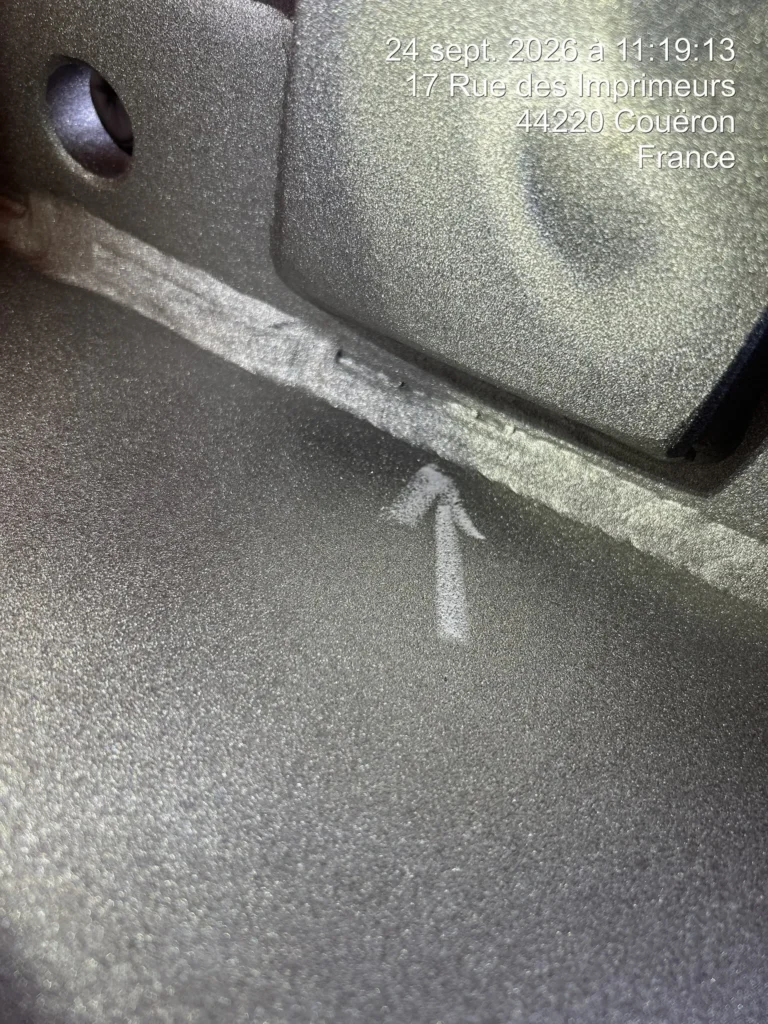
During the initial visual inspection, our third-party inspector identified localized areas—particularly along the edges and weld transitions—that exhibited insufficient surface roughness, as well as local protrusions and mechanical irregularities. If left untreated, these imperfections could lead to premature coating failure, such as “rust jacking” or poor adhesion.
To rectify this, the vendor was instructed to perform mechanical grinding and dressing of the affected areas. Following the grinding process, these areas were re-blasted to achieve a uniform surface profile suitable for proper coating adhesion. Our inspector verified these corrective actions, ensuring the surfaces were smooth, clean, and entirely fit for purpose before allowing the coating process to proceed.
Environmental and Climatic Controls
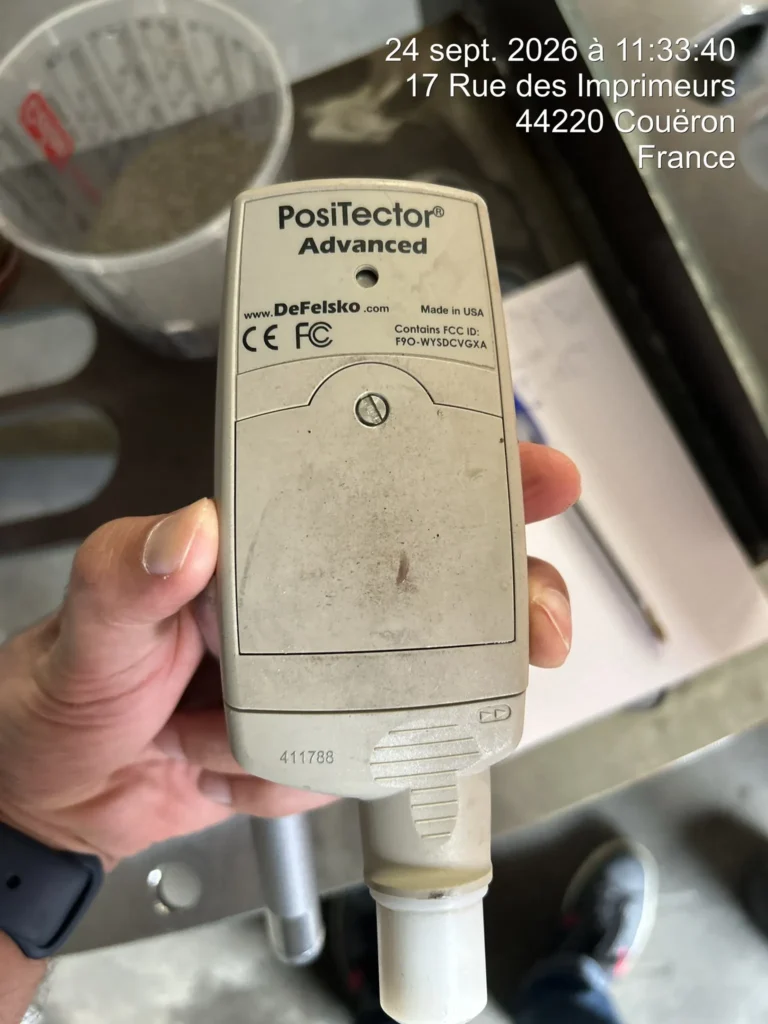
The success of high-performance coatings is highly dependent on ambient environmental conditions during application. Our inspector conducted rigorous environmental tests prior to the commencement of painting.
- Ambient Temperature: 19.9°C
- Substrate Temperature: 19.3°C
- Relative Humidity (RH): 54.5% (well within the specified maximum of 85%)
- Dew Point Differential: 8.8°C (comfortably exceeding the minimum required 3°C difference).
These measurements are critical. If the substrate temperature is too close to the dew point, moisture can condense on the steel, ruining the adhesion of the coating. The recorded values confirmed a completely safe and optimal window for coating application.
Surface Cleanliness Verification (Bresle Test & Abrasive Checks)
To ensure the steel was completely free of contaminants that could cause osmotic blistering, rigorous cleanliness tests were conducted in accordance with the ITP:
- Soluble Salt Contamination: A Bresle test was performed, yielding a result of 5 mg/m². This was well below the maximum acceptable limit of 20 mg/m², indicating excellent surface cleanliness.
- Abrasive Conductivity: The abrasive material used for blasting was tested at 111, within the specified limit of <150.
- Dust Test: The dust test resulted in a Rating 2, meeting the maximum acceptable criteria.
All measured values confirmed that the abrasive blasting process was highly effective, leaving a pristine surface ready for the protective coating system.
Coating Material Verification and Application
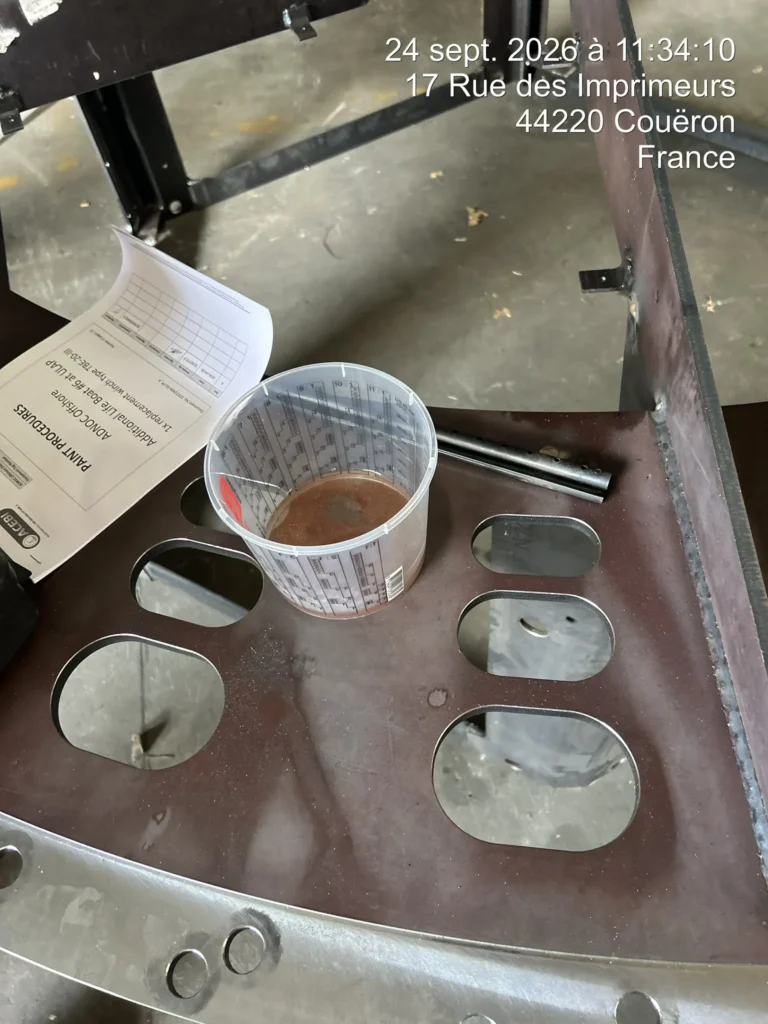
Once the surface was approved, our inspector focused on the quality and traceability of the coating materials. For offshore assets, using the correct materials with proper shelf life is paramount.
Traceability and Material Integrity
The coating system presented for application consisted of Jotun products, specifically Jotun Resist 86 Greenish Grey A and Jotun Zinc 100 Comp B. Our inspector rigorously verified the following details:
- Product Identification: Confirmed against the manufacturer’s data sheets.
- Batch Numbers: Verified to ensure consistency and traceability (e.g., Batch No. 4356013-1-*-1-2 for Resist 86).
- Manufacturing and Expiry Dates: Confirmed that the materials were within their shelf life (Manufactured 01/07/2026, Best Before 31/12/2026).
- Mixing Ratio: Verified the specified A:B mixing ratio of 8:2.6 to ensure correct chemical curing.
Additionally, the delivery documentation, including Delivery Note No. BL1274050, was reviewed to confirm the origin and handling of the materials prior to their arrival on site.
Coating Application and Final Visual Inspection
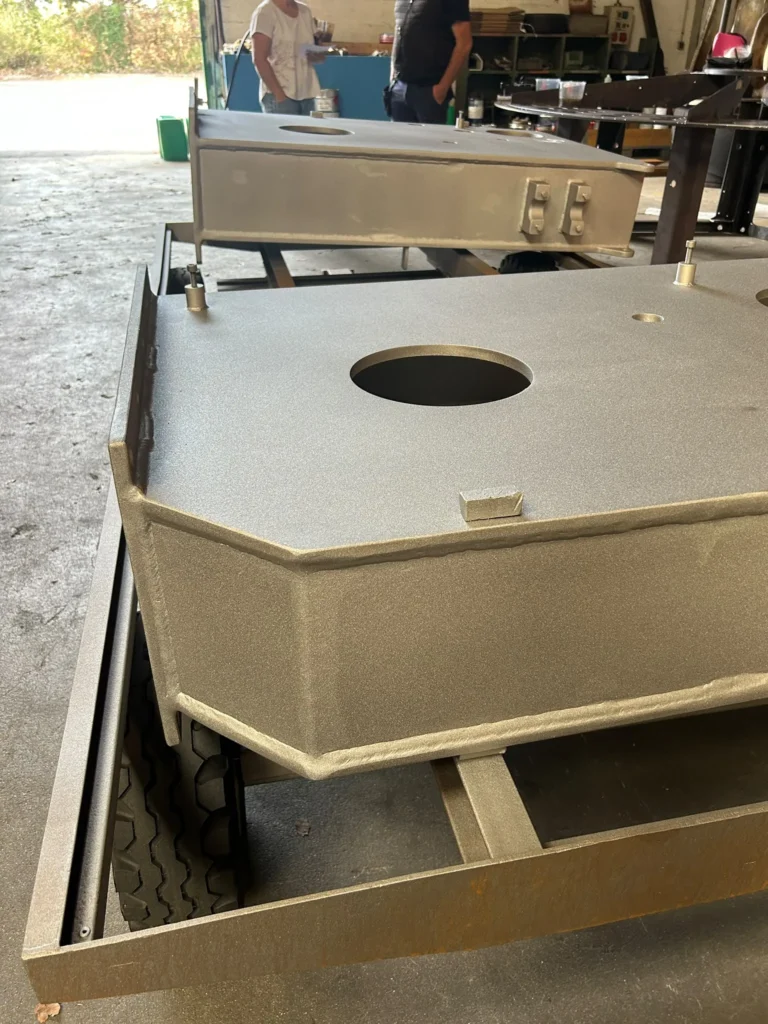
With environmental conditions approved and materials verified, the coating application proceeded on the accepted prepared surfaces. The primer and topcoat were applied to the winch housing, ensuring full coverage and uniform thickness.
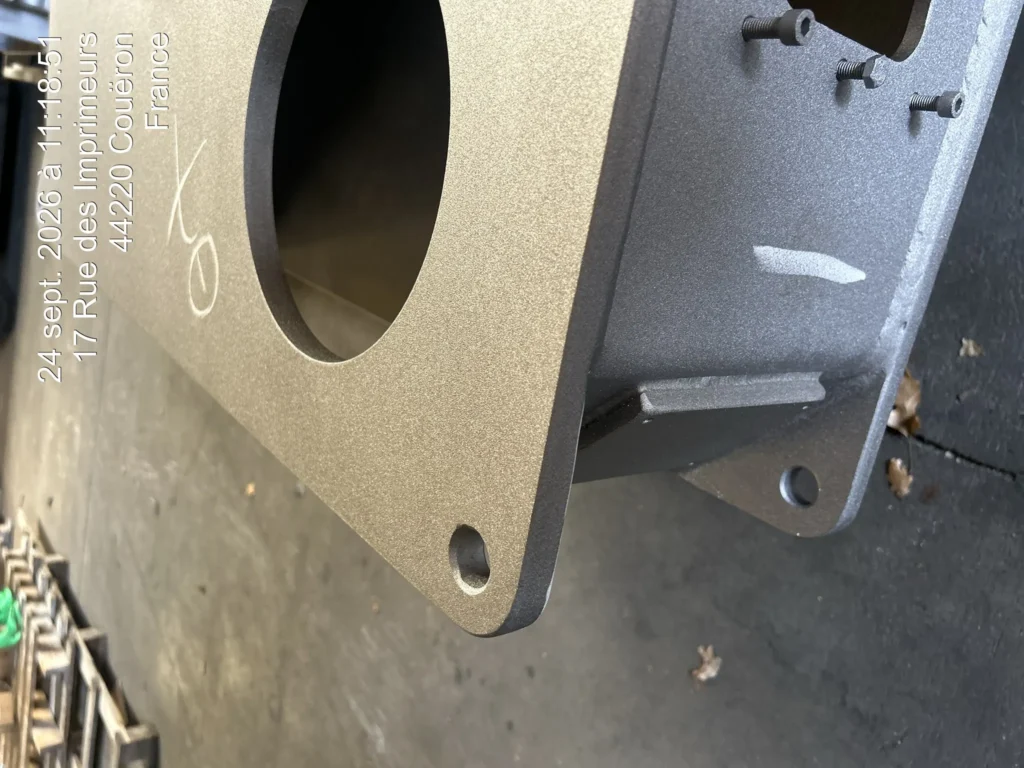
Following the application, a comprehensive final visual inspection was conducted. The inspector confirmed that the previously identified surface and weld irregularities were fully remediated, and the coating exhibited a smooth, continuous finish without runs, sags, or holidays.



Conclusion
This project serves as a prime example of the value added by a proactive third-party coating inspection. By identifying and rectifying surface irregularities before the application of Jotun coatings, the Bureau Veritas team prevented potential long-term corrosion issues on a critical life-saving asset.
The final inspection report concluded with a “Satisfactory” status. There were zero Non-Conformities (NCRs) and zero Punch List items left open, allowing for an immediate Release Note to be issued. From environmental monitoring to soluble salt testing and material traceability, every aspect of the lifeboat davit winch housing’s protective coating was executed to the highest standards, ensuring its readiness for the ADNOC Offshore US LTDP-2 project.